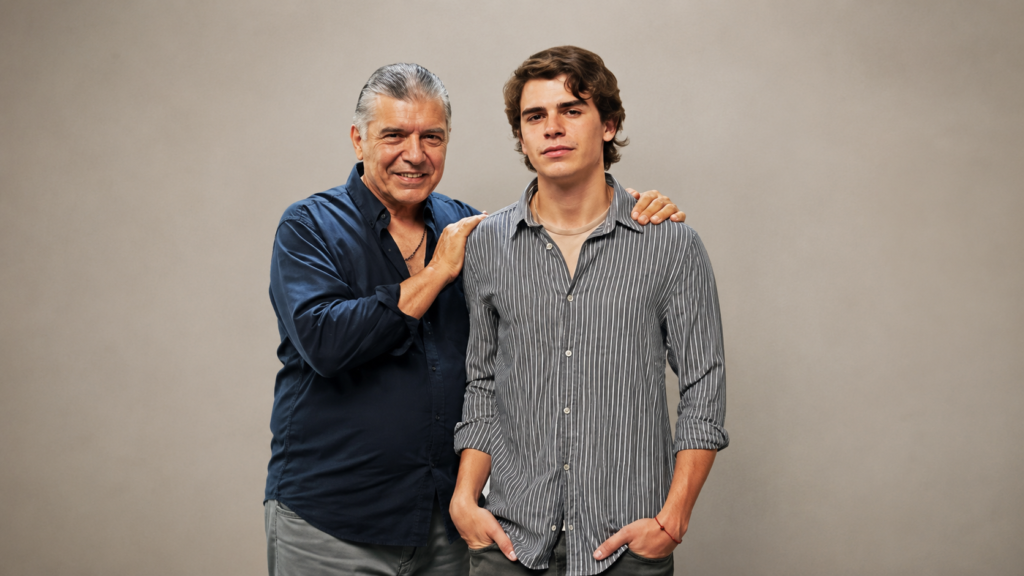

Some people become known because of their profession, while others become unforgettable because of the extraordinary way they faced life’s greatest challenges. Carlos Páez Rodríguez belongs to the second category. His name is forever connected to one of the most remarkable survival stories in modern history—the 1972 crash of Uruguayan Air Force Flight 571 in the Andes Mountains. Yet his life story goes far beyond surviving a tragedy. He became a businessman, author, motivational speaker, and a symbol of resilience for people across the world.
Table of Contents
ToggleFor many readers, Carlos Páez Rodríguez is recognized as one of the sixteen survivors of the Andes plane crash, but his true legacy lies in what he did after that event. He transformed pain into purpose and fear into wisdom. His journey shows how human beings can rebuild themselves after unimaginable hardship. From the freezing mountains of the Andes to international conference stages, his life has become a lesson in courage, gratitude, and personal transformation.
Early Life and Family Background
Carlos Miguel Páez Rodríguez was born on October 31, 1953, in Montevideo, Uruguay, into a family already known for creativity and public recognition. His father, Carlos Páez Vilaró, was one of Uruguay’s most celebrated painters, sculptors, muralists, and writers. His artistic work made him famous across Latin America and beyond, especially for the iconic Casapueblo in Punta Ballena. Growing up with such a father meant Carlos was surrounded by art, imagination, and public attention from an early age.
His mother, Madelón Rodríguez Gómez, provided emotional stability and family warmth. Carlos grew up with several siblings, including Mercedes, Agó, Sebastián, Florencio, and Alejandro. Life in his early years was comfortable, privileged, and far removed from the suffering he would later experience. He himself has admitted that as a teenager, he was spoiled and protected, with little understanding of real hardship. This contrast makes his later transformation even more powerful, because the mountains would strip away every comfort he once knew.
Education and Rugby as a Way of Life
Carlos studied at Stella Maris College in Montevideo, a respected Catholic school that played an important role in shaping his social and personal life. It was here that rugby became a major part of his identity. He joined the Old Christians Club, a rugby team deeply connected to the school community. Rugby was more than a sport—it created friendships, discipline, teamwork, and a sense of belonging that would later become crucial during the greatest challenge of his life.
Like many young men in their late teens, Carlos focused on friendships, sports, and youthful freedom rather than serious long-term plans. He later trained as an agricultural technician at Universidad del Trabajo del Uruguay. At that time, he was simply a teenager with ambitions, jokes, and a normal future ahead of him. Nothing suggested that he would one day become known internationally as a speaker on resilience and survival.
The Flight to Chile That Changed History
On October 13, 1972, Carlos boarded Uruguayan Air Force Flight 571 with his rugby teammates, friends, and supporters. They were traveling from Uruguay to Chile for a rugby match. It was supposed to be an exciting sports trip, full of youthful energy and team spirit. Instead, it became one of the most shocking aviation tragedies ever recorded.
Due to bad weather and navigation difficulties, the aircraft crashed high in the Andes Mountains between Argentina and Chile. Many passengers died immediately, while others were badly injured. Carlos was only eighteen years old. He suddenly found himself trapped in one of the harshest environments on Earth—freezing temperatures, no food, no proper shelter, and no immediate rescue. The official search operation was called off after ten days because authorities believed no one could still be alive. But Carlos and the others were still there, fighting every single day to survive.
Life in the Andes and the Fight for Survival
The survivors spent seventy-two days in the mountains under conditions that are almost impossible to imagine. They faced snowstorms, avalanches, injuries, extreme hunger, and the constant emotional pain of losing friends and loved ones around them. With no food available and no rescue coming, they were eventually forced to make the painful decision to eat the bodies of those who had died in order to stay alive.
Carlos has always spoken about this part of the story with honesty and dignity. He never tried to dramatize it, but instead explained it as a human decision made under impossible circumstances. The mountains taught him truths about life, death, and human nature that few people ever have to confront. He often says that before the crash, he had never experienced hunger or true suffering. The Andes became the place where he was forced to grow up.
When rescue finally came in December 1972, after fellow survivors crossed the mountains to find help, Carlos described the helicopters as giant birds bringing freedom. That moment was not only physical rescue—it was the beginning of emotional survival, which would take much longer.
Returning Home and Rebuilding Identity
Coming back to normal life after the Andes was not simple. People often imagine survival ending with rescue, but for Carlos and the others, the emotional journey had only just begun. Returning to society meant facing public attention, painful memories, and the challenge of becoming normal again after living through something so extreme.
Carlos had to rebuild his identity from the ground up. He was no longer just a young rugby player from Montevideo. He had become a symbol of survival, and with that came both admiration and emotional burden. He had to learn how to live with memories that would never disappear. Instead of allowing trauma to define him completely, he slowly turned those experiences into wisdom and strength.
This emotional rebuilding became one of the most important parts of his life story. It shaped the man he would become in business, writing, and public speaking.
Career Beyond the Survival Story
After returning from the Andes, Carlos first worked as an agricultural technician for nearly a decade. This quieter professional stage helped him reconnect with ordinary life and practical responsibility. He was not immediately focused on fame or public speaking. Like many survivors of trauma, he first needed structure and routine.
Later, he entered the advertising industry and joined Nivel-Publicis in 1992. This move opened an entirely new professional chapter. His creativity, communication skills, and personal discipline helped him succeed in the world of advertising and branding. He later founded his own agency, Rating Publicidad, and also worked as director of Bates Uruguay Publicidad.
His professional achievements proved that he was far more than the young man from the famous crash story. He built a respected business career through work, intelligence, and persistence. He eventually established his own consultancy and communication company, showing that survival had given him not only perspective but also professional clarity.
Becoming a Motivational Speaker and Global Voice
Over time, Carlos Páez Rodríguez became internationally recognized as a motivational speaker. People were not only interested in what happened in the Andes—they wanted to understand how he transformed that experience into a meaningful life. His talks focus on leadership, teamwork, gratitude, emotional intelligence, and the power of resilience.
Companies, universities, leadership conferences, and global organizations invite him to speak because his message applies far beyond survival. He explains how crisis reveals character, how fear can become strength, and how teamwork can save lives in both literal and symbolic ways. His words carry unusual credibility because they come from lived experience rather than theory.
Unlike many speakers who rely on motivational slogans, Carlos speaks with emotional truth. He does not promise easy success. Instead, he teaches that real growth often begins in discomfort, uncertainty, and hardship. This honesty is why audiences continue to connect deeply with him.
Writing Books and Sharing His Truth
Carlos also became an author, using writing as another way to process memory and share lessons from his life. His best-known book, After the Tenth Day, became widely appreciated because it explored not just the survival story itself, but what happened afterward. It asked an important question: what does life look like after you return from the edge of death?
He also wrote My Second Cordillera and Desde la Cordillera del Alma, where he reflected on emotional healing, identity, and the inner mountains people must climb in everyday life. These books are respected because they are deeply personal and thoughtful rather than sensational. He writes with honesty, reflection, and emotional intelligence.
His work as a writer helped him move beyond being remembered only for one event. Through books, he became a thinker and storyteller who helped others reflect on their own lives, fears, and values.
Personal Life, Family, and Relationships
Carlos is also a father and grandfather, and family remains one of the strongest foundations of his life. He has two children, María Elena de los Andes, known as Gochi, and Carlos Diego. His family relationships reflect the values he developed after surviving the Andes—gratitude, emotional presence, and appreciation for ordinary moments.
He often speaks about how surviving such an extreme experience changed his understanding of love and relationships. Small things became more meaningful. Family dinners, conversations, and simple peace carried a value he may not have understood in his youth. This emotional maturity shaped not only his personal life but also the advice he gives to others.
His life philosophy is strongly centered on perspective. After seeing death so closely, everyday frustrations feel different. He does not pretend life became easy, but he lives with a deeper understanding of what truly matters.
Net Worth and Sources of Income
Carlos Páez Rodríguez’s exact financial details are not officially public, but his estimated net worth is often placed between two and five million dollars. His income comes from several professional sources, including his advertising career, consultancy work, bestselling books, keynote speaking engagements, and media appearances connected to documentaries and interviews.
Unlike celebrity culture built around luxury, Carlos is respected for credibility rather than glamour. His influence is not based on expensive lifestyles or public display of wealth. Instead, people value him for authenticity, wisdom, and the lessons he shares. His professional success reflects decades of meaningful work rather than short-term fame.
His motivational speaking career has become especially significant financially, as organizations across the world continue to seek voices that speak honestly about leadership and resilience.
Social Media Presence and Public Connection
Carlos maintains a thoughtful public presence through social media, especially Instagram, where he shares reflections, speaking events, family moments, and memories connected to his father’s artistic legacy. His online presence is calm and meaningful rather than designed for entertainment or self-promotion.
A new generation discovered his story through the success of the 2023 film Society of the Snow, based on the Andes tragedy. The film brought worldwide attention back to the survivors and introduced younger audiences to the emotional truth of what happened. Carlos even portrayed his own father in the project, creating a deeply personal connection between cinema and memory.
This renewed visibility allowed him to continue an important mission: protecting the truth of the story and making sure it is remembered with dignity rather than sensationalism.
Legacy and the Meaning of His Journey
Carlos Páez Rodríguez is not remembered only because he survived the Andes. He is remembered because he chose to turn survival into service. He transformed trauma into leadership, memory into education, and fear into purpose. His story is powerful because it continues long after the rescue helicopters arrived.
He teaches people that resilience is not about pretending pain does not exist. It is about learning how to live meaningfully despite pain. His life shows that human beings can rebuild themselves, even after the most unimaginable experiences.
As Carlos Páez Rodríguez continues to inspire future generations, his journey stands as a reminder that courage is not the absence of fear, but the decision to keep moving forward. His legacy is one of gratitude, truth, and perseverance—a living example of how suffering can become wisdom and how survival can become a gift shared with the world.